

Since the second Trump administration took office in January, the federal government has undergone an unprecedented reallocation of funds, cutting funding for a large number of agencies, grants and programs in an effort to reduce federal spending while bolstering the budget of ICE to record highs and eliminating foreign aid programs and public broadcast funding, among others.
Despite the Department of Government Efficiency (DOGE) cuts, CBS News reported in April that the government was outspending the first Trump administration by hundreds of billions of dollars compared to the same time last year. Still, the administration has persisted with its efforts, and no department has been immune.
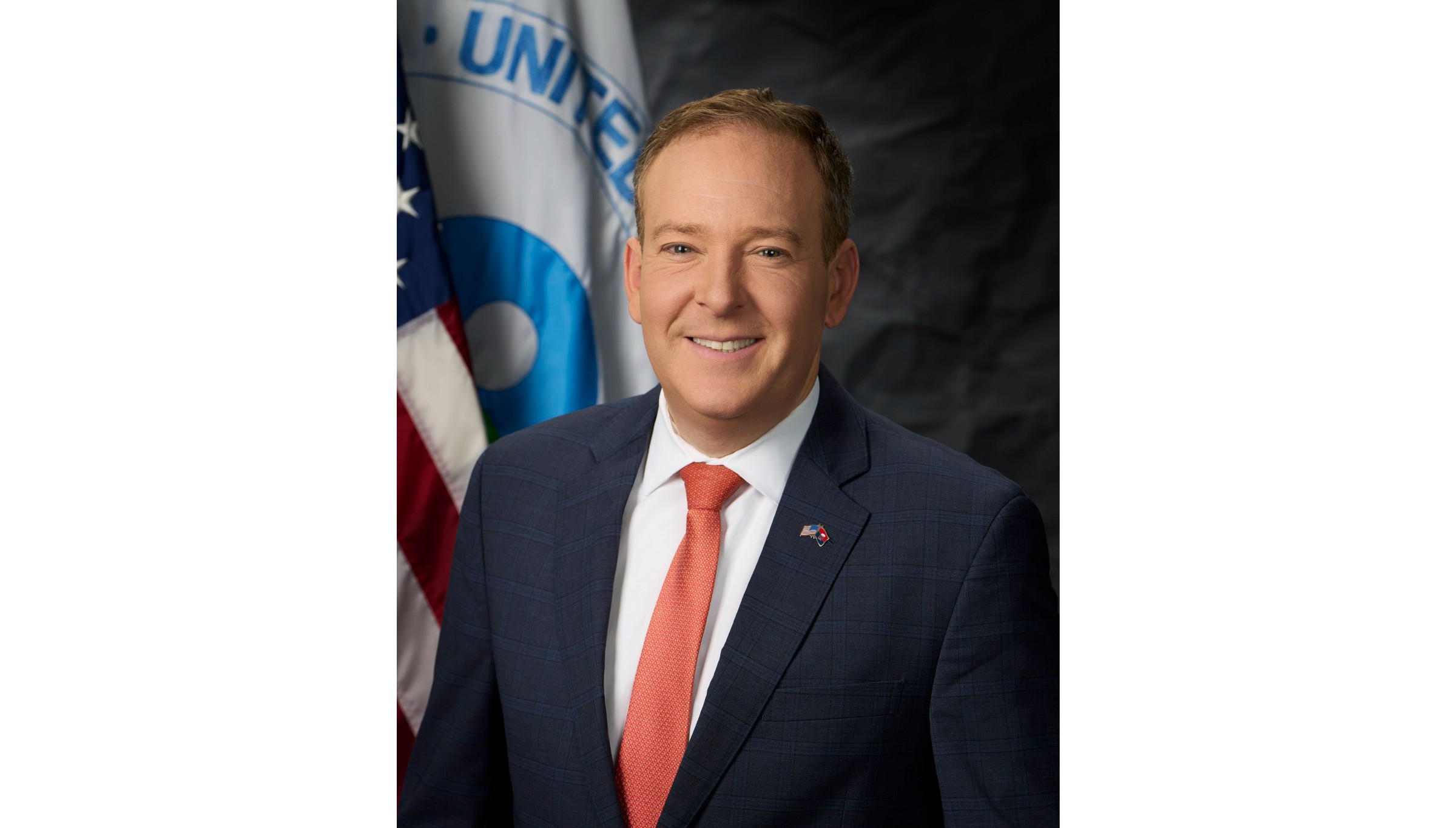
The Environmental Protection Agency has eliminated at least $2 billion in federal grant funding as of August 2025, slashing programs across the country addressing environmental programs including drought and forest fires. Some of the cuts were the subject of ongoing litigation but a federal judge ruled in the EPA’s favor on September 2. The agency’s proposed budget for the 2026 fiscal year recommends cutting EPA funds by more than half (54 percent), reducing the total budget from around $9.1 billion to $4.1 billion. Administrator Lee Zeldin recently eliminated the EPA’s environmental justice programs while announcing a reorganization of the agency’s research office.
Amidst the rapid wave of changes, Atlanta’s environmental nonprofits have begun bracing for grants to disappear. The West Atlanta Watershed Alliance (WAWA), a community-led nonprofit serving historically underrepresented communities in the city, derives roughly 70 percent of its budget from grant funding. For now, it’s benefiting from multiple multi-year federal grants awarded before the administration took office. But for the years ahead, WAWA’s leaders are preparing to rely on non-governmental revenue sources.
“We’re pretty confident that we will have some funding that will be impacted,” said Shantaé Shearer, WAWA’s marketing and communications director. “So those grants that we have that are multi-year grants, those will expire after a couple of years. And so right now, we’re looking to see how things will go and what will be available, given the political climate, as well as looking at what our individual donors will be doing.”
In the past, WAWA conducted research on environmental conditions and threats that inspired its projects and initiatives in line with community needs. That research was made possible by an EPA grant that WAWA received in 2006 funding resources and data collection that Shearer said proved invaluable.
“If the cuts came earlier, then much of [our] programming would not be able to happen in the capacity that it does,” Shearer said. “Much of the equipment that we use, many of the tools that we utilize, are coming through because of the grant funding, and so we wouldn’t have the majority of the tools that we would need to get the work done and the equipment that we would need.
In plain terms, if WAWA had not received that EPA grant in 2006, Shearer said the organization would have far fewer volunteers and not be able to do as much work.
For environmental organizations that are also just starting out, similar EPA funding cuts could prove detrimental. Even for established nonprofits that do not receive EPA grants, reductions in federal contributions could strain alternative funding sources, which will face more demand for their philanthropic resources. As a result, existing nonprofits that don’t already rely heavily on federal grants could still face cuts to their non-government revenue sources.
“When you look at the nonprofit sector as a whole, government funding is two to three times as large as private philanthropy,” said Alan Abramson, director of George Mason University’s Center on Nonprofits, Philanthropy, and Social Enterprise.
WAWA has provided a natural oasis in the nation’s ninth most populous metropolitan area, establishing a 26-acre preserve that houses the old practice field for the city’s historic negro league baseball team, the Black Crackers, and is used for educational opportunities while housing the organization’s headquarters. If similar funding cuts had been enacted when WAWA first started in 1995, there’s a chance that plans to commercially develop the area of the preserve would have succeeded.
Other organizations also affected by cuts
Root Local, an Atlanta nonprofit focused on collective impact, organizes like-minded environmental groups around a similar cause to maximize the amount of resources put in one direction. Lee Dalton, Root Local’s executive director, said the organization’s latest endeavor, a native plant-focused conference, has been hit by the cuts.
“We had people that had allocated sponsorships to us, and they had to pull back because they had FDA funding—federal funding—that was rolled back,” Dalton said. “We’ve had meetings with other organizations that are very much touched by these things, and it’s very distressing.”
She said funding for environmental organizations is already hard to come by compared to other causes, which have not been immune to the cuts in Atlanta. However, that means widespread cuts to federal grants are even more impactful on already strained causes.
“If somebody says, ‘I’ve got $100; I can give it to a pet organization, a child organization, or I can give it to Root Local,’— guess who is not getting that money,” Dalton said. “And that’s not because they don’t love us, and not because we’re not doing good stuff, but there’s a finite amount of resources.”